

Mobile Development: Crafting the Future in Your Hand
In today's hyper-connected world, mobile applications are no longer just a convenience; they are an indispensable part of our daily lives. From ordering food and managing finances to staying fit and connecting with loved ones, mobile apps have revolutionized how we interact with the digital realm. This ever-evolving landscape of mobile development offers incredible opportunities and presents fascinating technological advancements.
Why Mobile Matters: The Ubiquity of Apps
Consider a typical day: you wake up, check your phone for notifications, order a cab, browse social media, track your steps, and even control your smart home devices – all through mobile apps. This ubiquity underscores the immense impact of mobile development. Businesses, regardless of size, are realizing that a strong mobile presence is crucial for reaching customers, building brand loyalty, and driving growth.
The demand for innovative, intuitive, and high-performing mobile applications continues to skyrocket, making mobile development a thriving and dynamic field.

Key Trends Shaping Mobile Development in 2025 and Beyond
The mobile landscape is constantly shifting, with new technologies and user expectations driving innovation. Here are some of the most prominent trends shaping mobile development in 2025:
-
- 5G Technology: The rollout of 5G is a game-changer. Its ultra-fast speeds and low latency are enabling richer, more immersive experiences, from seamless 4K/8K streaming and real-time data syncing to advanced AR/VR applications and robust IoT integrations.
-
- Artificial Intelligence (AI) & Machine Learning (ML): AI is no longer futuristic; it's here. Expect to see more AI-powered features in apps, including personalized recommendations, intelligent chatbots for customer service, predictive analytics, and enhanced security through facial and speech recognition.
-
- Augmented Reality (AR) & Virtual Reality (VR): Beyond gaming, AR and VR are transforming retail (virtual try-ons), navigation (AR overlays in maps), education, and training. Mobile devices are becoming powerful gateways to immersive digital experiences.
-
- Low-Code/No-Code Development: This trend is democratizing app creation, allowing businesses and even "citizen developers" to build functional applications with minimal or no traditional coding. This accelerates development cycles and reduces costs, enabling faster innovation.
-
- Apps for Foldable Devices: As foldable smartphones become more common, developers are focusing on creating apps that seamlessly adapt their display and functionality to different screen states, offering a unique user experience.
-
- Internet of Things (IoT) Integration: Our homes and cities are becoming smarter. Mobile apps are at the heart of controlling and interacting with IoT devices, from smart appliances to connected vehicles.
-
- Enhanced Security: With increasing data breaches and privacy concerns, robust mobile app security is paramount. Expect continued advancements in biometric authentication, secure payment gateways, and sophisticated fraud detection mechanisms.
-
- Mobile Wallets and Payments: The convenience of mobile payments continues to grow, with secure mobile wallets becoming a standard feature in many applications.
Popular Mobile Development Frameworks
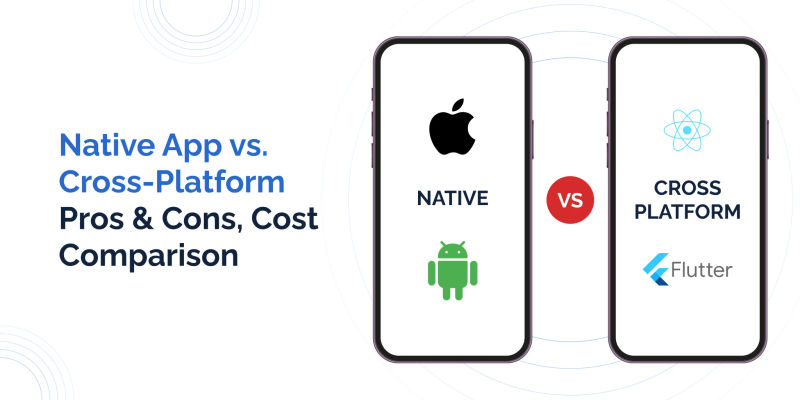
Developers leverage various frameworks to build mobile applications, each with its strengths:
-
- Flutter (Google): A leading open-source UI toolkit for building natively compiled applications for mobile, web, and desktop from a single codebase. Known for its fast development, expressive UI, and strong performance.
-
- React Native (Facebook): A popular open-source framework for building cross-platform native mobile apps using JavaScript/TypeScript. Offers fast development, component-based UI, and a large, active community.
-
- Xamarin (Microsoft): Allows developers to build high-performance apps for iOS, Android, and other platforms using C# and .NET, enabling significant code reuse.
-
- Ionic: A free, open-source framework for building hybrid mobile apps using web technologies like HTML, CSS, and JavaScript, ideal for Progressive Web Apps (PWAs).
-
- Native Platforms (Swift/Kotlin/Java): For highly optimized, platform-specific experiences, native development using Swift/Objective-C for iOS and Kotlin/Java for Android remains a strong choice.
Is Mobile Development a Good Career Path?
Absolutely! The demand for skilled mobile developers is consistently high and projected to grow significantly. The US Bureau of Labor Statistics anticipates a 26% growth in mobile application developer employment over the next decade, much faster than the average for all occupations.
A career in mobile development offers:
-
- High Demand: Businesses across all sectors are investing in mobile apps, ensuring a steady stream of opportunities.
-
- Competitive Salaries: Mobile developers command attractive salaries, with significant earning potential as they gain experience.
-
- Innovation and Creativity: The field constantly evolves, allowing developers to work with cutting-edge technologies and bring innovative ideas to life.
-
- Impact: Mobile apps have a direct and tangible impact on millions of users' lives, making the work highly rewarding.
-
- Diverse Opportunities: From startups to large enterprises, and across various industries like healthcare, finance, gaming, and e-commerce, mobile developers find a wide range of roles.
Getting Started in Mobile Development
If you're eager to embark on a mobile development journey, here are some steps to consider:
- Choose a Platform (or Cross-Platform): Decide whether you want to focus on native iOS, native Android, or cross-platform development. Many beginners start with one native platform or a cross-platform framework like Flutter or React Native.
- Learn a Programming Language:
- iOS: Swift (primarily) or Objective-C
- Android: Kotlin (preferred) or Java
- Cross-Platform: Dart (for Flutter), JavaScript/TypeScript (for React Native/Ionic)
- Understand Core Concepts: Familiarize yourself with mobile UI/UX principles, mobile app architecture, API integration, data storage, and security best practices.
- Master a Framework: Dive deep into your chosen framework/platform's ecosystem, tools, and best practices.
- Build Projects: The best way to learn is by doing. Start with small projects and gradually work your way up to more complex applications. Build a portfolio to showcase your skills.
- Stay Updated: The mobile development world moves fast. Continuously learn about new technologies, frameworks, and trends.
- Join Communities: Engage with online forums, developer communities, and local meetups to learn from others and get support.
Mobile development is an exciting and ever-expanding field that puts the power of innovation directly into the hands of billions. By understanding the trends, mastering the tools, and continuously honing your skills, you can become a vital part of shaping the digital experiences of tomorrow.
